
Николай Расторгуев, Сергей Бурунов и группа Любэ - А река течёт (из фильма "Родные") chords
Amin
Amin7
D7
G
Amin
Emin
Cmaj7
Amin7
B
Emin
Amin7
C
Amin7
C
Amin7
C
Emin
Amin
C
Amin
Amin7
B
B7
Emin
Amin
Emin
Amin7
Amin
C
Emin
C
B
Emin
G
Amin
B
Emin
B
Emin
Amin
Amin7
Amin
Amin7
Amin
B
Emin
Amin
Emin
Amin7
Amin
Emin
Amin
B
Emin
C
Amin
B
Emin
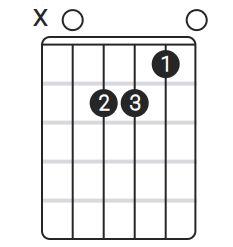
Amin
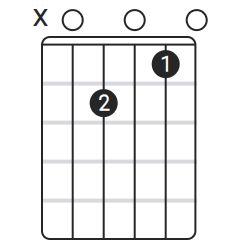
Amin7
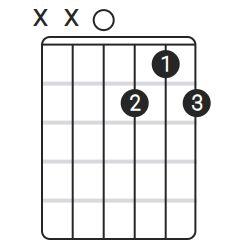
D7
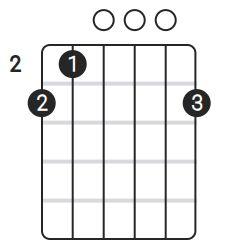
G
Amin
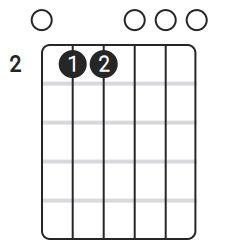
Emin
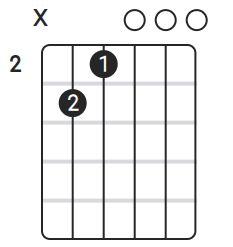
Cmaj7
Amin7
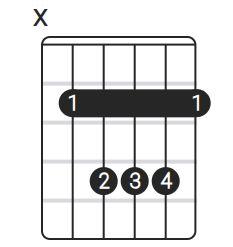
B
Emin
Amin7
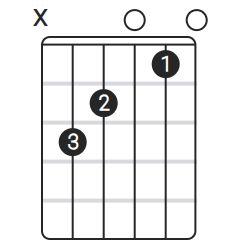
C
Amin7
C
Amin7
C
Emin
Amin
C
Amin
Amin7
B
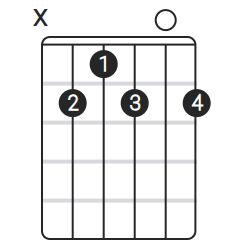
B7
Emin
Amin
Emin
Amin7
Amin
C
Emin
C
B
Emin
G
Amin
B
Emin
B
Emin
Amin
Amin7
Amin
Amin7
Amin
B
Emin
Amin
Emin
Amin7
Amin
Emin
Amin
B
Emin
C
Amin
B
Emin
Details
Description:B, CM, D, C, Am, G, Em
Tempo:112
Year:—
Updated:03/09/2026
Rating:



Frequently Asked Questions
The song "Николай Расторгуев, Сергей Бурунов и группа Любэ - А река течёт (из фильма "Родные")" uses the following chords: B, CM, D, C, Am, G, Em.
Which instruments can be used and how to set up a capo or transposition for the song "Николай Расторгуев, Сергей Бурунов и группа Любэ - А река течёт (из фильма "Родные")"?
You can play the song on guitar, ukulele, piano, or mandolin.
What is the tempo (BPM) of the song "Николай Расторгуев, Сергей Бурунов и группа Любэ - А река течёт (из фильма "Родные")" and how can it be used for practice?
The song's tempo is around 112 beats per minute (BPM). Practicing with a metronome set to this tempo helps you play along accurately and develop a steady rhythm.
In what year was the song "Николай Расторгуев, Сергей Бурунов и группа Любэ - А река течёт (из фильма "Родные")" by the musician released?
The song "Николай Расторгуев, Сергей Бурунов и группа Любэ - А река течёт (из фильма "Родные")" by the musician was released in —.
How do I start playing the song "Николай Расторгуев, Сергей Бурунов и группа Любэ - А река течёт (из фильма "Родные")" with chords correctly?
Start by listening to the original recording. Set your metronome to the song's tempo of 112. Tune your instrument accurately. Then practice the chord progression slowly, focusing on smooth transitions.